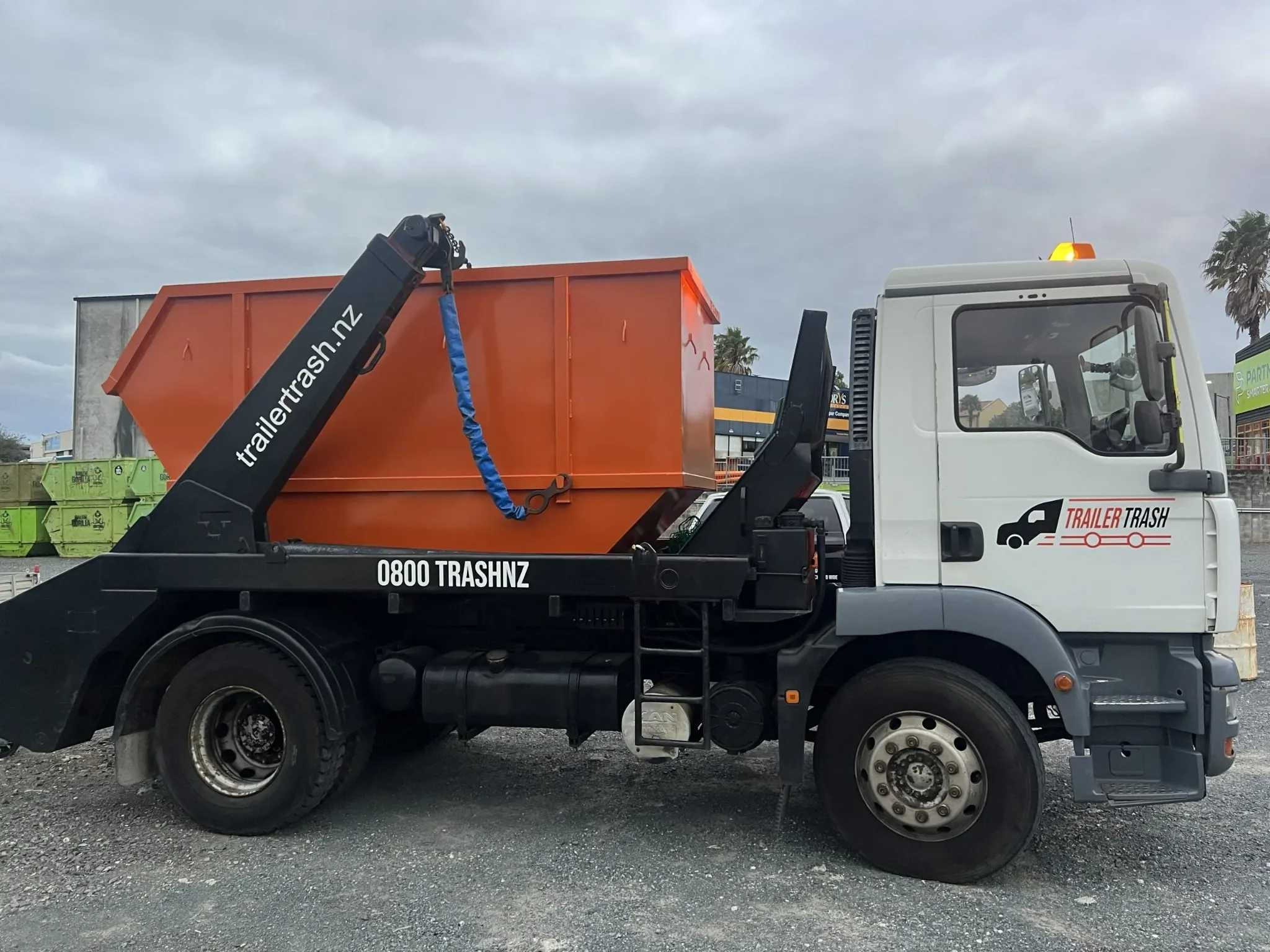
Auckland skip bin sizes explained: pick the perfect fit
Choosing the right skip bin in Auckland is a bit like packing for a trip. Go too small and you'll be stuck juggling overflow. Go too big and you're paying to ship empty air. With a little planning-and a clear picture of Auckland's common bin sizes-you can land on the perfect fit for your project, your site, and your budget.
How skip bin sizes are measured (and how to visualise them)
Skip bins are measured in cubic metres (m³). One cubic metre is a cube that's one metre high, wide, and deep. That's easy enough to say, but hard to picture-so here are quick mental shortcuts:
With that in mind, you can estimate your volume by counting trailers or wheelie-bin equivalents.
Common Auckland skip bin sizes and what they suit
Exact dimensions vary by provider, but these ranges and use cases are reliable guides around the city.
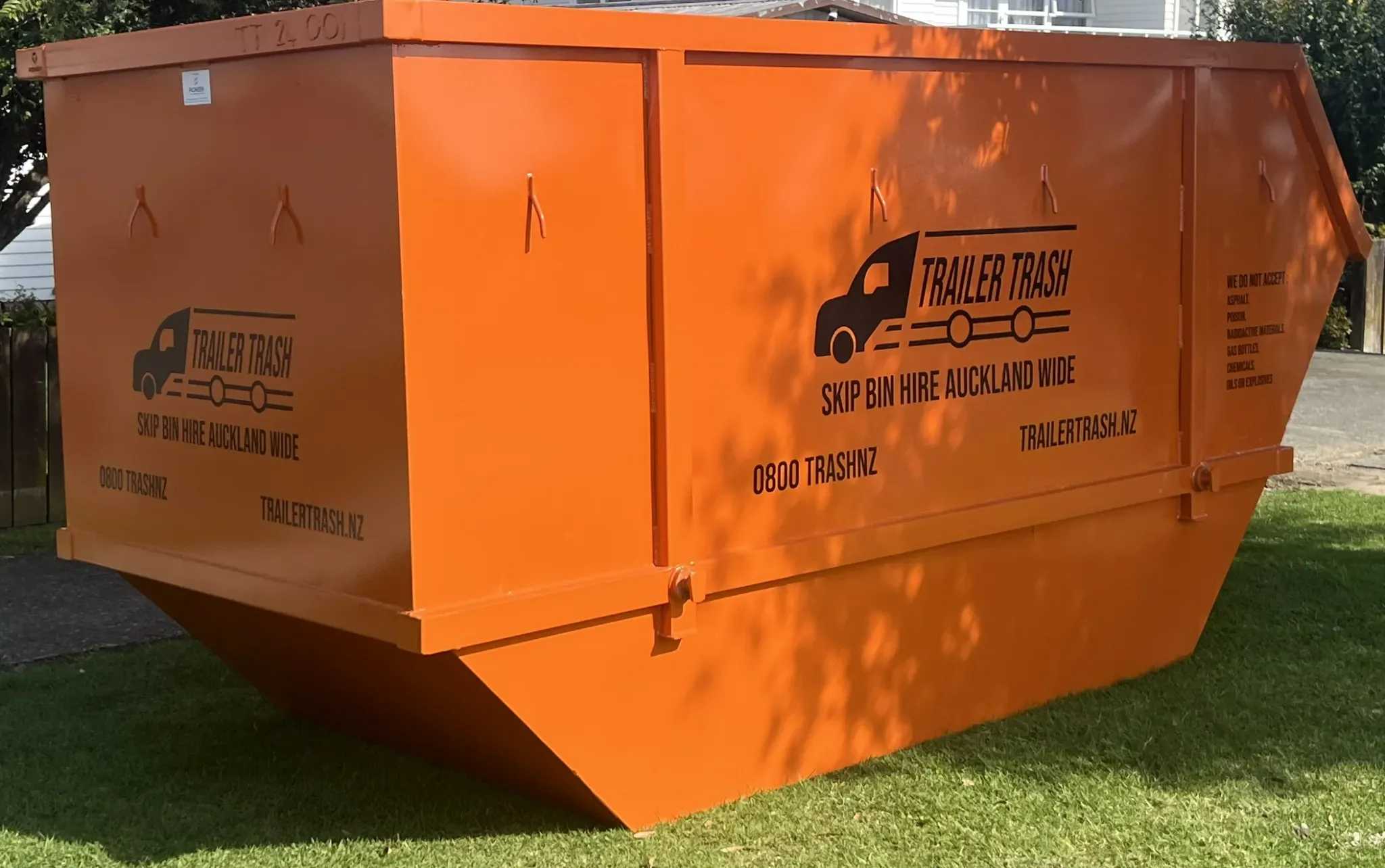
2 m³ (mini skip)
Good for: Small declutters, apartment moves, garden trimmings, minor DIY.
Roughly: 8 wheelie bins, or about 2 trailers.
Tip: Ideal if access is tight. Also commonly used for heavy materials like soil or concrete because larger bins get too heavy to lift.
3 m³
Good for: Bedroom clear-outs, small landscaping jobs, light renovation debris.
Roughly: 12–13 wheelie bins, 3 trailers.
Tip: A flexible middle ground if you're unsure between 2 m³ and 4 m³.
4 m³
Good for: Kitchen or bathroom rip-outs, medium garden projects, moving house.
Roughly: 16–17 wheelie bins, 4 trailers.
Tip: Popular “just right” size for suburban clean-ups without overwhelming the driveway.
6 m³
Good for: Bigger renovations, bulky furniture, garage and shed overhauls.
Roughly: 25 wheelie bins, 6–7 trailers.
Tip: Many 6 m³ bins are “walk-in” with a door at one end-perfect for heavy, awkward items.
9–10 m³
Good for: Full-house clear-outs, larger building projects, commercial refits (light to medium materials).
Roughly: 37–42 wheelie bins, 9–10 trailers.
Tip: Great for volume, but avoid loading dense waste like concrete or soil-weight limits apply.
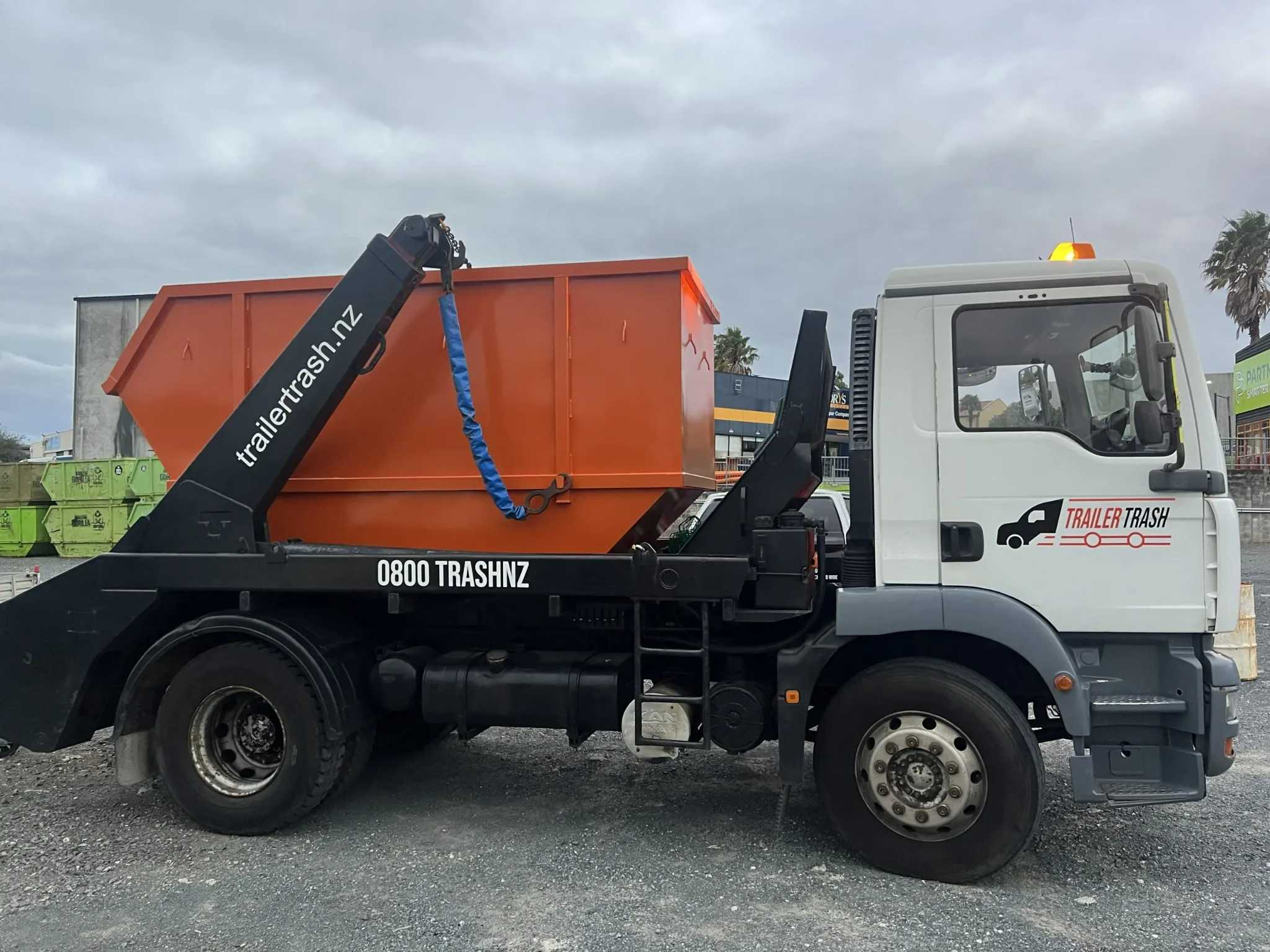
12 m³ and above
Good for: Major refurbishments, bulky but light materials (timber offcuts, packaging).
Tip: Often hook-lift bins with wide access; double-check driveway room and truck clearance.
Waste types and why they matter
What you put in the bin can influence which size you should pick and what it will cost.
Weight limits and level loads
Auckland skip trucks have lifting and transport limits. For people comparing skip bins hire auckland services, Trailer Trash offers practical options for household cleanups, renovation waste, green waste, and trade jobs across Auckland.. Even if there's room in a big bin, heavy materials can quickly exceed weight allowances. Always:
Access, placement, and permits in Auckland
How to load efficiently (so you don't need a bigger bin)
What size should you choose? Fast rules of thumb
Booking tips for Auckland
The bottom line
Start by estimating your volume with wheelie bins or trailer loads, then match your waste type to the right bin category. If you're between sizes, stepping up one size is usually cheaper than ordering a second bin later-and far less stressful on collection day. With the right fit, your Auckland project runs tidier, safer, and more cost-effectively from the first load to the last.